
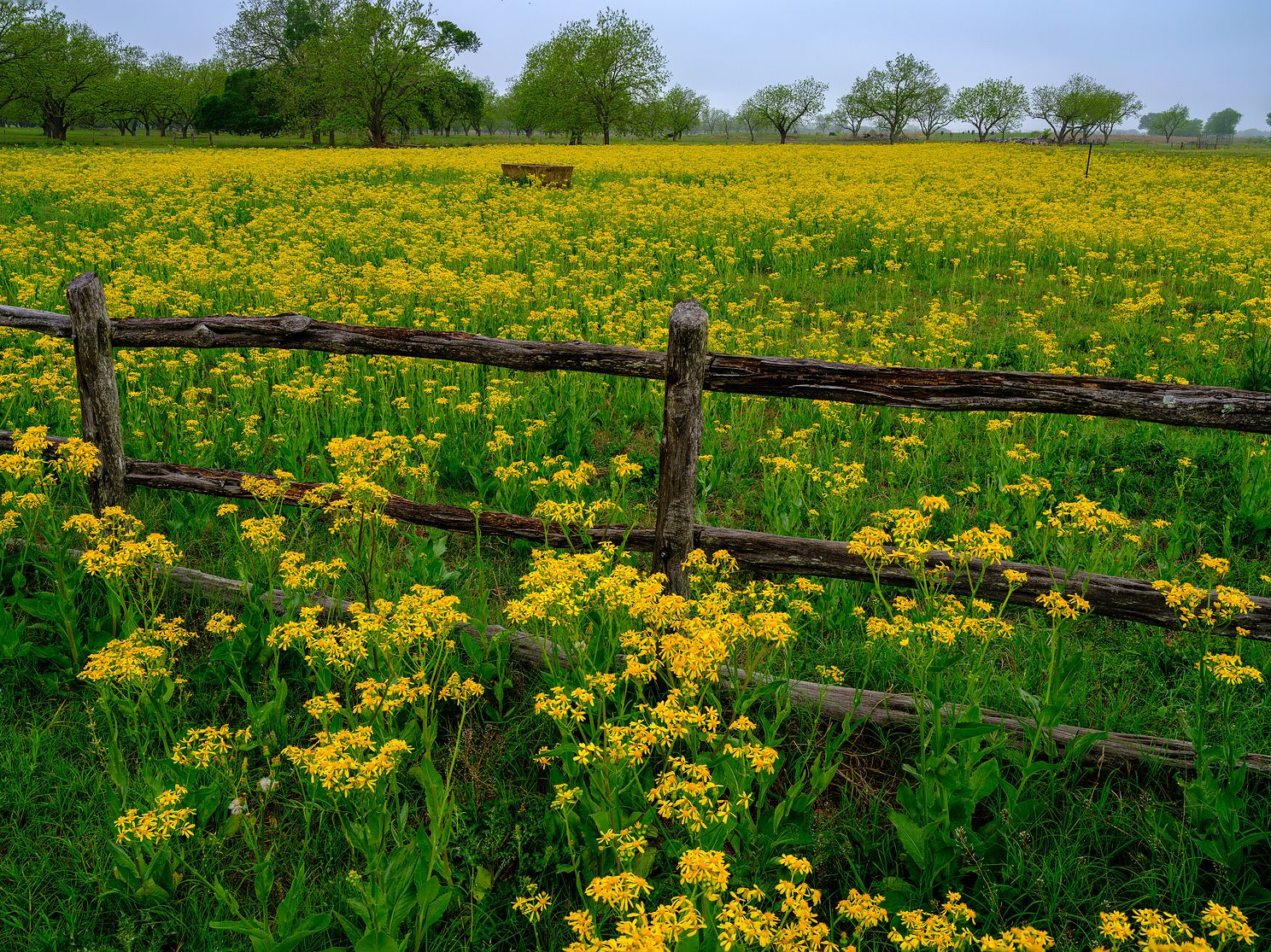
Spring Wildflowers in Goliad, Texas at Sunrise
"Wildflowers are the stuff of my heart" - Lady Bird Johnson
What is it about the humble wildflower that captivates landscape photographers? We spend hours on the road, often rising before dawn, in search of the elusive meadow bursting with color—eager to capture that perfect shot to satisfy our creative urges.
Though wildflower lacks a strict horticultural definition, photographers don’t often dwell on exact classifications—and certainly not with much excitement. The word alone is enough to send many of us on long treks, hoping to find that one defining image. Unlike manicured gardens, carefully tended by human hands, wildflowers thrive (or struggle) under nature’s rule. Maybe that’s part of their appeal. Of course, planned gardens hold their own undeniable beauty—but wildflowers, untamed and spontaneous, feel like small miracles.

Beauty That Grounds and Inspires
Spending time in nature often deepens our appreciation for wildflowers. There's something grounding about them—they lower stress, lift the mood, and even spark creativity. Just noticing a wildflower can draw us into the present moment, where everything feels quieter, more still. Their vibrant colors can make you smile, and their gentle beauty can stir gratitude, even if only briefly.


More Than Just a Pretty Bloom
Wildflowers aren't just for photographers and nature lovers; they also provide critical habitat and food sources—nectar, pollen, seeds—for pollinators like bees, butterflies, birds, and other wildlife. They add natural beauty to landscapes, inspiring art, photography, literature, and a sense of place.
And they’re not just decorative—they’re keystone components in maintaining healthy, functioning ecosystems.


A Moment That Won’t Come Again
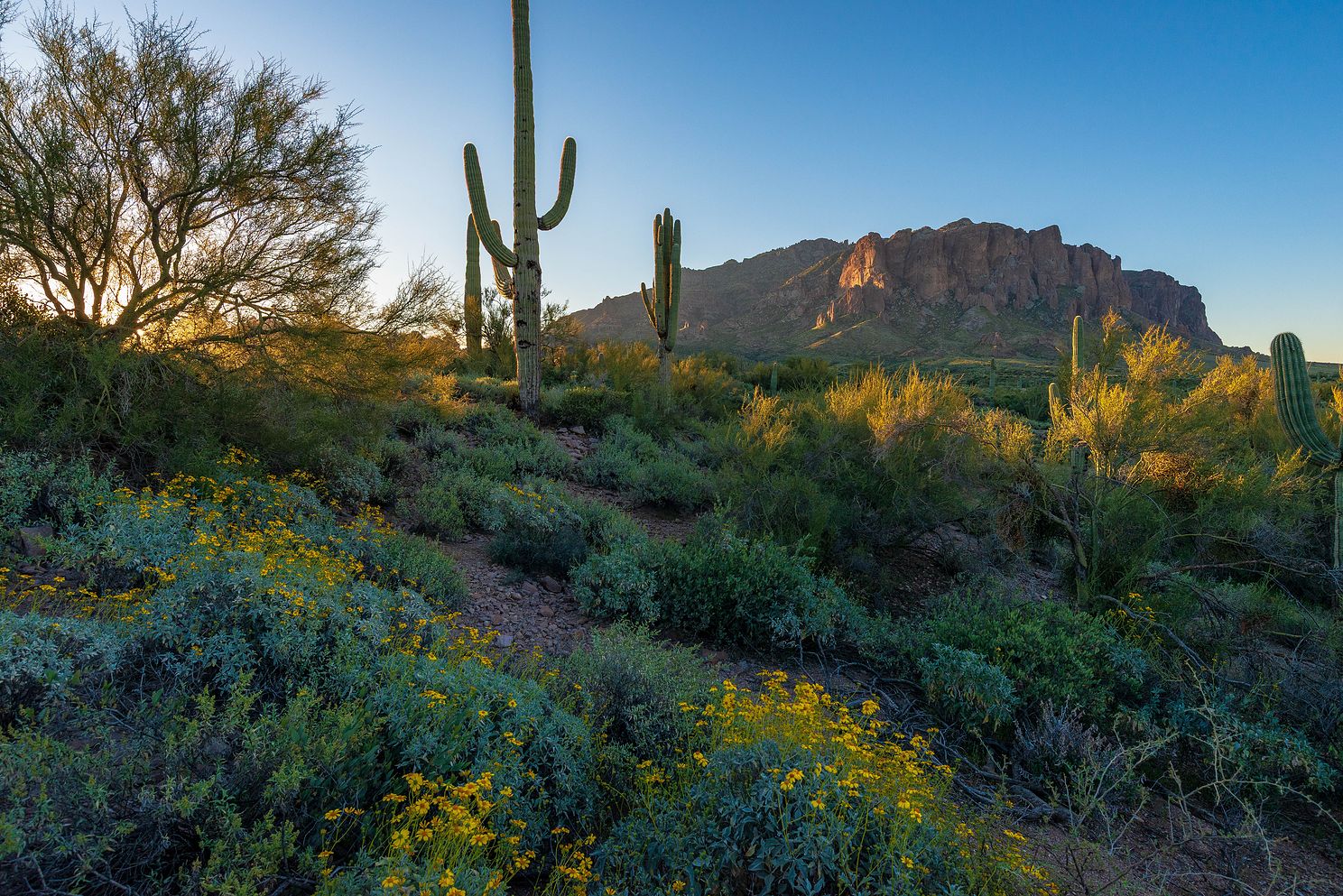
In a previous post, For the Love of Trees, I mentioned the Japanese practice of Shinrin-yoku, or “forest bathing.” There’s another beautiful Japanese phrase that feels closely connected: ichigo ichie. It roughly means, “What we’re experiencing right now will never happen again.” I don’t often think about it deliberately, but I realize it quietly shapes how I see world.
Tips for Photographing Wildflowers
Time it Right
Wildflowers don’t wait—they bloom when they’re ready, often for just a short window in spring or early summer. That’s part of what makes them special. If the ones you were hoping to see haven’t appeared yet, take a moment to enjoy what is in blooms. Each scene is unique, never to be repeated.
Tread Lightly
Stay on marked trails to avoid trampling delicate plants. Don't pick the flowers. Take photos - not souvenirs - so the blooms can continue to thrive and reseed for the next season.
Chase the Light
Early morning or late afternoon brings soft, golden light that enhances color and gently wraps each petal. It's often when the flowers look their freshest. Like ichigo ichie, these moments won't return in quite the same way.
Simplify the Scene
Wildflowers often bloom in dense, chaotic patches. Focus on small compositions within the larger scene to find your subject. Expansive fields are breathtaking in person, but rarely translate well in photos and can pull you out of the moment.
Visit Protected Areas
National parks, wildflower corridors, and local preserves often showcase the richest displays - and help minimize human impact.
Watch the Wind
Even a gentle breeze can stir the petals. In those quiet moments, we allow our minds to wander, free of distraction. That's when creativity begins to bloom - when we reconnect with our imagination.
Use a fast shutter speed to freeze motion, or wait patiently for stillness.

A Texas Tradition in Bloom
One of the simple joys of living in Texas is spotting wildflowers blooming along the highways each spring. Believe it or not, that splash of color isn't just a happy accident - it's the result of a long-standing state policy.
Back in 1932, the Texas Highway Department hired its first landscape architect, Jac Gubbels, to help manage native plants along the roads. Just two years later, the department made a smart decision: mowing would be delayed - unless absolutely necessary for safety - until wildflower season had wrapped up in late spring or early summer.
That tradition has endured for over 90 years, and it's one of the reasons our roadsides still erupt in Bluebonnets, Indian Paintbrushes and countless other blooms each year. A small decision that's had a big, beautiful impact.
"The environment is where we all meet; where we all have a mutual interest; it is the one thing all of us share" - Lady Bird Johnson (Notably, she championed wildflower conservation along Texas highways.)
Final Thoughts
Wildflowers remind us to slow down. To look closely. To appreciate beauty. They offer a lesson in presence, a burst of color, and if we're lucky, a photograph that tells a story.