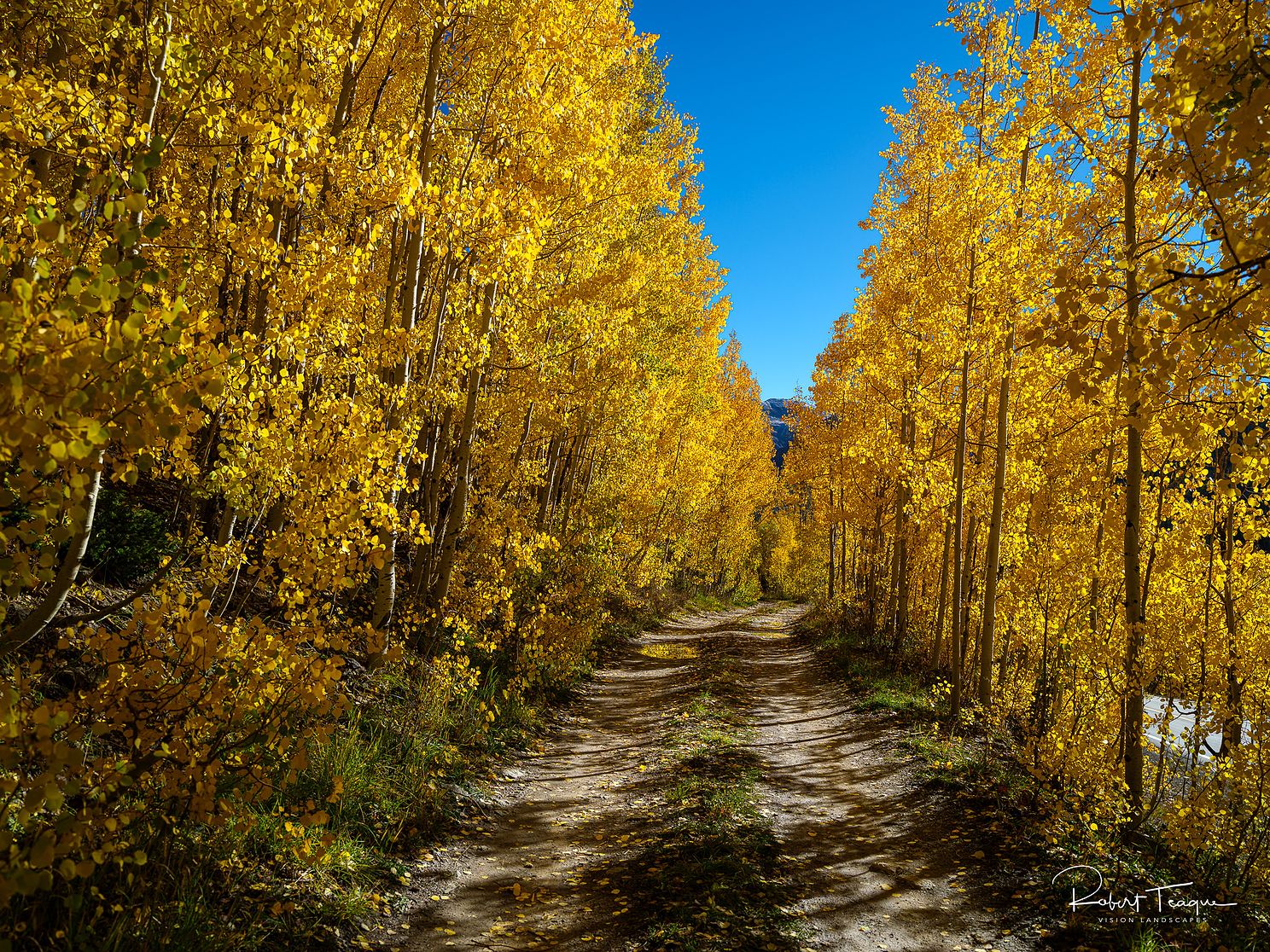
Take a walk in the forest.
Feel the ground beneath your feet—soft, uneven, alive. Listen to the rustle of leaves, birdsong, and the quiet hum of life around you. Watch how sunlight filters through the trees, casting shifting shadows on the forest floor. Breathe deeply. What do you smell? Look up, down, and all around.
Living with nature begins here—in quiet moments of awareness. It’s not just about being outside; it’s about tuning in. For the landscape photographer, this connection becomes something deeper. Nature isn’t just a subject—it’s a mirror, reflecting our inner creativity and inviting us to respond through the lens.
Of course, you may not live near a forest. Perhaps you walk through a desert landscape, feeling the warmth of sand beneath your feet and the vast silence stretching to the horizon. Or you might live by the sea, where wind, salt, and rhythm shape the day. Even in a city, nature reveals itself—in the cracks of a sidewalk, the pattern of light on a building, or a bird’s call at dawn.
Wherever you are, nature is present if you take the time to notice, you may not live near a forest, but the same principle applies if you are in the desert or on an island.
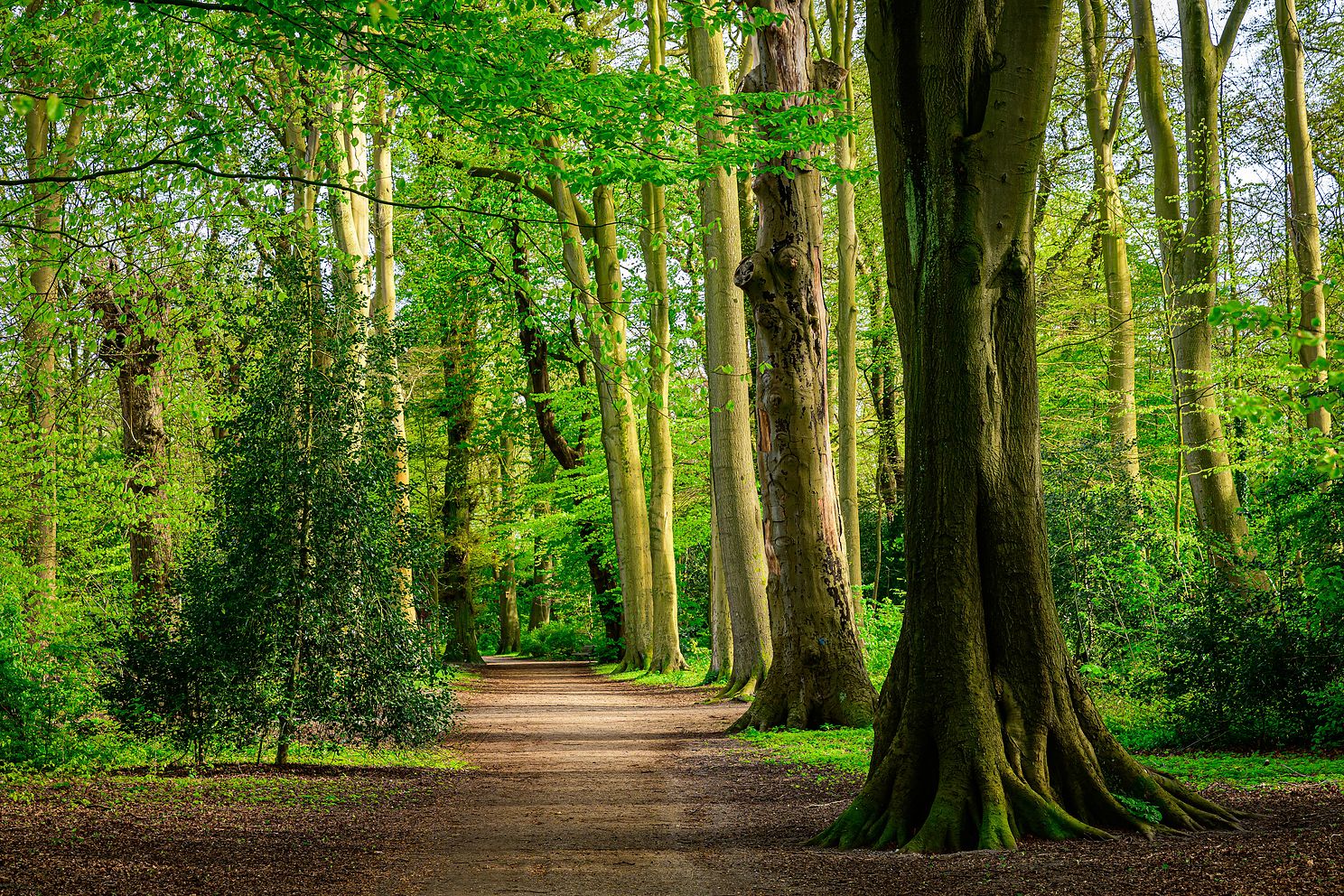
"I went to the woods because I wished to live deliberately... and not, when I came to die, discover that I had not lived." - “On Walden Pond” by Henry David Thoreau (1854).
Be Curious- Notice what interests you, even if it seems to have no value.
Curiosity often begins quietly—an impulse to pause, to look a little longer at something others might pass by. It doesn’t announce itself. It whispers. Maybe it’s the shape of a cloud, the way light touches the corner of a stone wall, or the rhythmic sound of wind moving through grass.
We’re conditioned to seek value in everything—to ask what something is for, how it can be used, or what we can make from it. But curiosity doesn’t work that way. It asks for attention, not justification. It invites you to notice what draws you in, even when you can’t explain why.
In photography, this kind of curiosity is the difference between taking a picture and being present. The best images often begin not with intent, but with a simple What’s this?—a question that opens rather than concludes. When you follow that question, your creative vision starts to unfold naturally.
Noticing what interests you, even when it seems to have “no value,” is an act of trust. It’s trusting that your attention matters—that what calls to you has meaning, even if you don’t yet understand it. Over time, those small curiosities weave together into something larger: a way of seeing the world that feels uniquely your own.
Curiosity is where creativity begins.

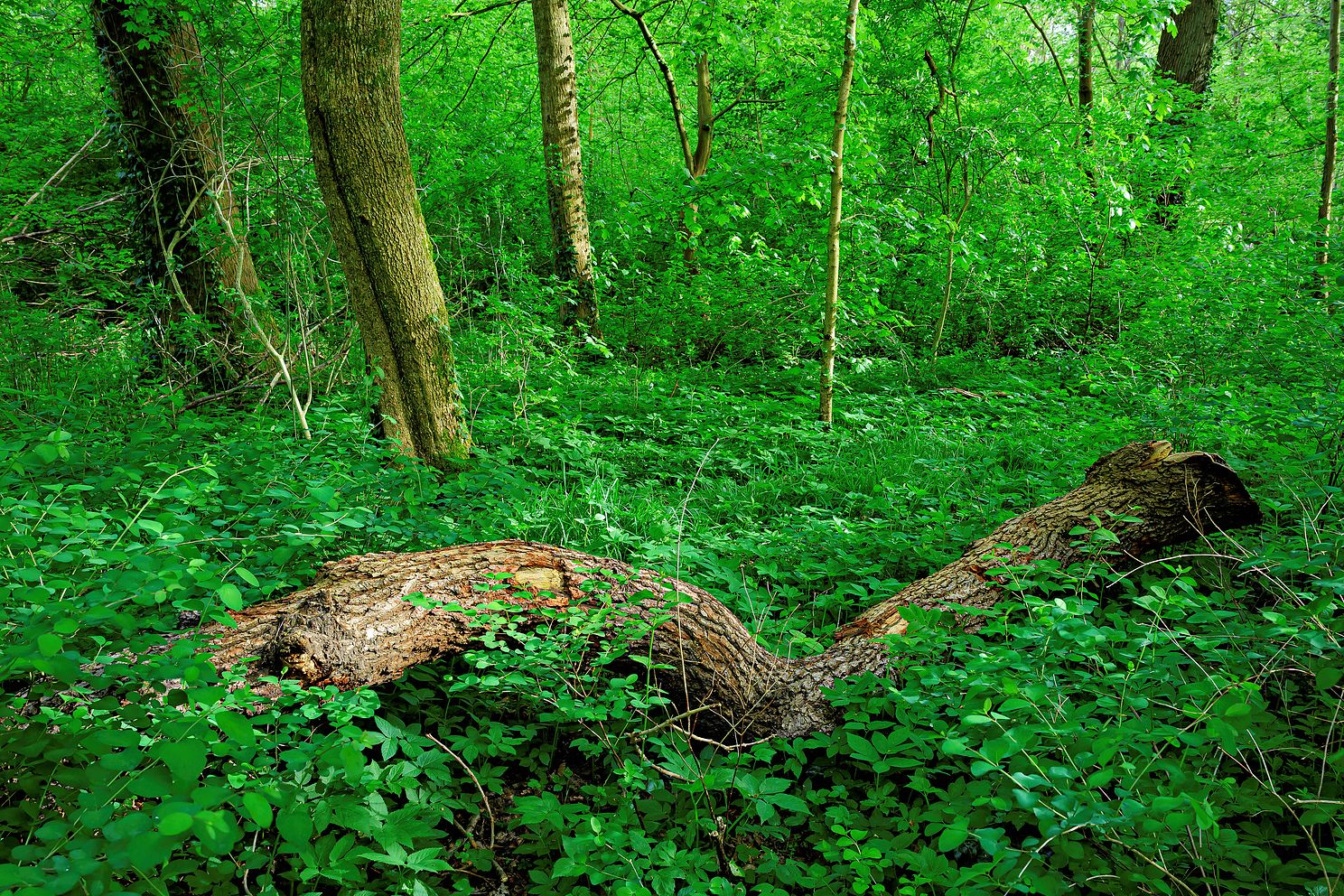

Be Curious: Notice the grand things.
Curiosity doesn’t just lead us inward to the quiet details of a leaf or the rhythm of rain—it also calls us outward, to the vast and immeasurable. Sometimes what captures us isn’t small at all; it’s the sheer enormity of what stands before us.
Stand before a mountain range, a desert sky, or an endless stretch of ocean. Feel how your sense of scale begins to shift. The world grows larger, and for a moment, your thoughts grow still. You are not apart from this immensity—you are within it.
Noticing the grand things is another form of curiosity. It’s the willingness to be overwhelmed, to let awe replace analysis. We often rush to understand or capture what we see, but sometimes the truest response is simply to stand there—to let the experience move through us.

For the landscape photographer, the grand view is both a challenge and a gift. It reminds us that no lens can fully hold what we feel. The photograph becomes not a record of what was there, but a reflection of how we were changed by it.
Being curious about the grand things means allowing yourself to look up more often. Watch the sky shift from gold to indigo. Notice the weather building on the horizon, or the way stars multiply the longer you stare. These are the moments that remind us that life is vast, ancient, and ongoing—and that we are small only in size, never in significance.

“Somewhere, something incredible is waiting to be known.” — Carl Sagan
So, look for the moments that stop you. Let yourself be curious about what feels immense—about the things that can’t be measured or owned. Let the horizon teach you what it means to be alive.
When we stand before greatness, we’re invited into gratitude. The grand things show us what endures beyond us, yet also what connects us to everything.
Moving forward means stepping back from the pursuit of more.
As we become more in tune with nature, the less we find ourselves drawn to the physical aspects of photography—the new lens, the gear that once seemed essential but now sits unused on a shelf. Similarly, the constant stream of emails and YouTube videos promoting techniques from every “self-proclaimed expert” can distract us from the very essence of why we started photographing nature in the first place.
Do we really need to return with a “significant” image every time we go out? As Ansel Adams once remarked, “Twelve significant images in one year is a good crop.”
It means slowing down enough to truly see—to notice what’s already before us. It doesn’t have to be perfect. It just needs to connect with us. Begin by asking “What do I need to do first to make the most of the moment?”

To be curious about the grand things is to open yourself to awe—to stand before the vastness of nature and simply feel. In these moments, we rediscover our place in the world, small yet deeply connected to everything around us. The horizon reminds us that wonder is not beyond reach; it’s waiting wherever we choose to look up and notice.